

The Phu Quoc coral reef ecosystem spans nearly 480 hectares of crystal-clear waters in the Gulf of Thailand, home to more than 360 species of hard coral, 152 fish species, and a vibrant marine world that ranks among Vietnam’s best for snorkeling and diving.
Many travelers wonder where to find the healthiest reefs, when the visibility peaks, how to choose a responsible tour, and how to combine adventure with luxury comfort.
Corona Resort & Casino Phu Quoc shares the most complete and trustworthy guide covering top coral reef locations, marine life highlights, seasonal timing, snorkeling versus diving comparison, booking tips, and how to base your reef adventure from a premium northern island base.
QUICK GUIDE: PHU QUOC CORAL REEF
|
Why Phu Quoc’s Coral Reefs Are a Marine Paradise
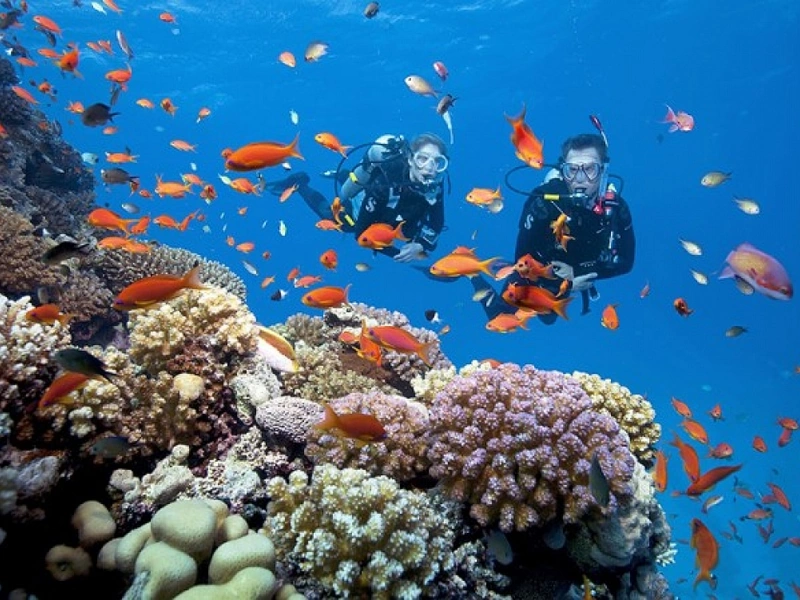
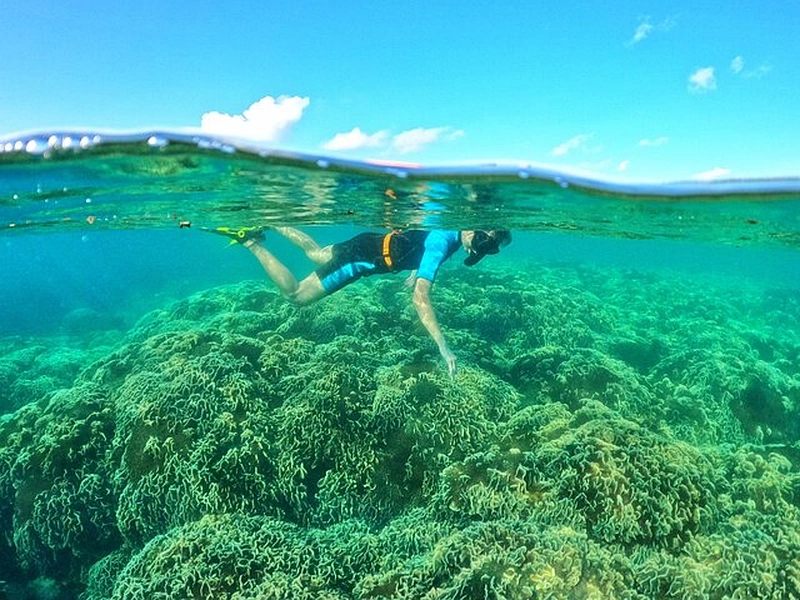
The Phu Quoc coral reef system is one of Vietnam’s most diverse and accessible marine ecosystems. The waters surrounding Phu Quoc Island are blessed with shallow, sunfiltered coral gardens that support an extraordinary range of marine life-from clownfish nesting in anemone tentacles to parrotfish, butterflyfish, batfish, and occasional sea turtles.
The total coral reef area covers approximately 480 hectares, with the southern An Thoi Archipelago alone containing about 360 hectares of protected reef. The average reef coverage rate is 44.5%, a healthy indicator of ongoing conservation efforts despite tourism pressure.
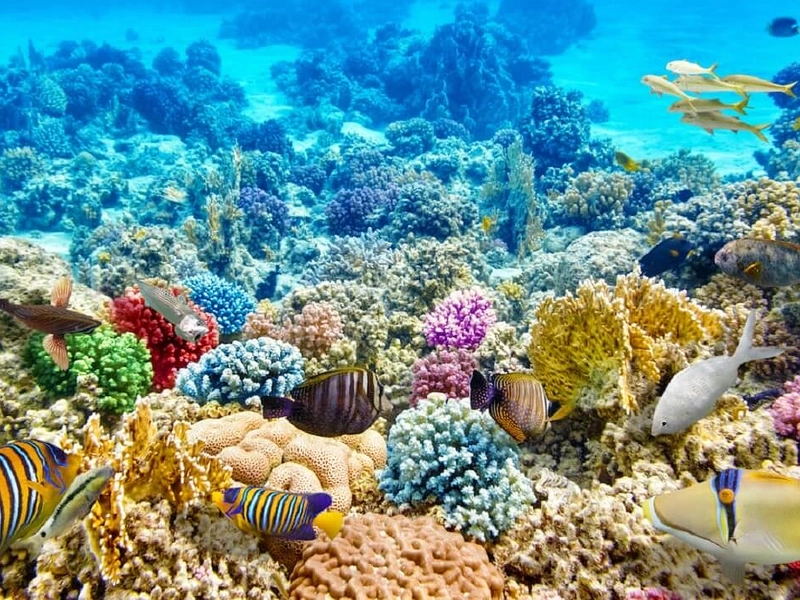
Most reefs lie in shallow water between 1 and 6 meters, making them ideal for snorkeling without diving certification. Sunlight reaches the seafloor easily, supporting both hard coral structures like brain corals, branching corals, plate corals, and soft corals along with sea fans and anemone gardens.
Best Coral Reef Locations in Phu Quoc
An Thoi Archipelago Reefs
The an thoi Archipelago is the undisputed star of Phu Quoc reef exploration. This cluster of 18 islands and islets south of Phu Quoc holds the densest and most diverse coral concentration in Vietnam. Speedboat tours from An Thoi Port typically cover 2-4 island stops in a single day.
Within An Thoi, snorkelers can choose between casual reef gardens or more rugged underwater landscapes. Most spots sit at depths of 0.5-6 meters with calm conditions during the dry season, perfect for beginners, while still rewarding experienced freedivers.
Hon Gam Ghi and Hon Buom Reefs
Hon Gam Ghi sits about 10 km south of An Thoi Port and is widely considered the most family-friendly reef destination. Its shallow coral gardens at depths of 0.5-3 meters are clearly visible with just basic snorkel gear. During peak season, the island welcomes hundreds of visitors daily, so book early morning tours for the best experience.
Hon Buom (often mismarked as Mong Tay Island on Google Maps) lies 11 km south of An Thoi. The island is surrounded by rocky outcrops rather than sandy beaches, creating an interesting underwater terrain with rich coral diversity. Top sightings include large brain corals, big bushy corals, mushroom corals, large anemones, and sea urchins.
May Rut Island Coral Cluster
May Rut Trong sits about 10 km from An Thoi Port, roughly 20 minutes by speedboat. The reef here features soft corals, table corals, and abundant reef fish, including parrotfish and angelfish. Depths range from 3-6 meters, suitable for both beginners and intermediate snorkelers.
May Rut also offers white sand beaches for between snorkel breaks, making it ideal for half-day tour stops. Most professional tour operators include May Rut as part of their 3-island or 4-island packages.
Hon Thom Coral Garden
Hon Thom (Pineapple Island) is the largest island in the An Thoi group and offers two main snorkeling points: North Pineapple Point and South Pineapple Point. North Pineapple Point features cuttlefish-friendly coral gardens and whip corals. South Pineapple Point hosts rarer species and challenges experienced divers.
Hon Thom is uniquely accessible by both speedboat and the 7,899-meter Hon Thom Cable Car, the world’s longest seacrossing cable car. The Ky Lan Cape north of Thom offers some of Phu Quoc’s most beautiful reefs with the rare seawalker experience available at Trao Beach.
Top Marine Life at Phu Quoc Coral Reefs
The Phu Quoc coral reef environment hosts an impressive diversity of species you can observe even in shallow water:
- Clownfish and anemones are almost guaranteed sightings, especially around Hon Gam Ghi.
- Parrotfish-colorful schools grazing on coral, particularly at May Rut Trong.
- Butterflyfish and angelfish, vibrant tropical fish in 5-10 meter zones.
- Sergeant majors and damselfish-dense schools shimmering around coral heads.
- Batfish, groupers, and wrasses are found in deeper crevices and reef caves at Hon Kim Quy.
- Occasional sea turtles are most often spotted at Hon Gam Ghi.
- Sea urchins, sea cucumbers, and octopuses-hiding among coral structures.
Less commonly, lucky snorkelers may encounter moray eels, sea slugs (nudibranchs), and small cuttlefish. The reefs also support 98 species of seaweed and various invertebrates that form the foundation of the ecosystem.
Best Time to Visit Phu Quoc Coral Reefs
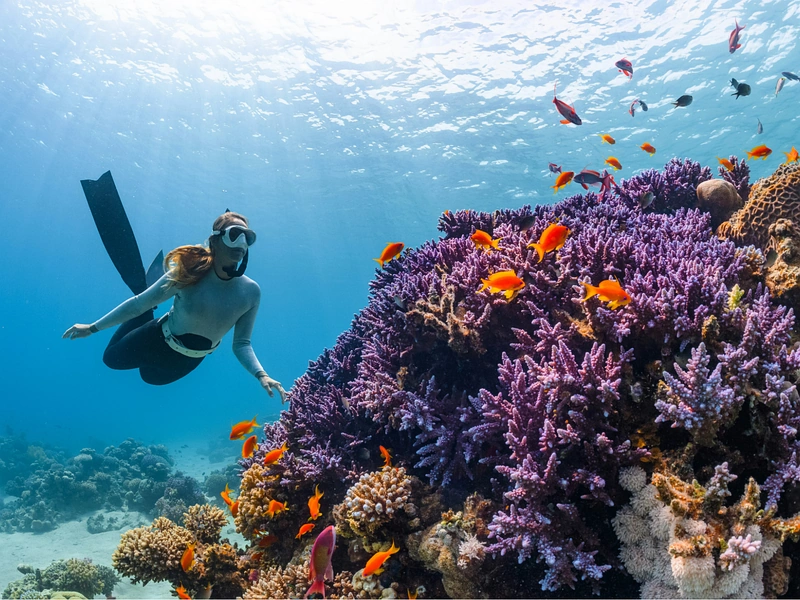
The dry season from November to April is the ideal window for reef exploration. During these months, the sea is calm, rainfall is minimal, and underwater visibility reaches 5-12 meters depending on location and weather. This is also the best time to visit Phu Quoc island vietnam for beach activities.
December through February deliver the most consistent conditions. Morning tours (departing 7:30-8:30 AM) typically offer the calmest water and clearest visibility before afternoon winds pick up. November and April serve as good shoulder months with slightly more variable weather but smaller crowds.
May through October fall in the rainy season. Heavy rainfall reduces visibility significantly, and rough seas can lead to tour cancellations. If you must visit during this period, choose tours operating from sheltered northern bays around Ganh Dau and Rach Vem, where conditions remain more stable.
Snorkeling vs Scuba Diving at the Coral Reefs
Snorkeling suits most travelers and requires no certification. Standard tours provide masks, snorkels, fins, and life jackets. The shallow reef depths of 0.5-6 meters at most An Thoi sites are perfectly viewable from the surface. Tour costs range from $15-55 USD per person for group trips.
scuba Phu Quoc diving is necessary only for deeper sites or for travelers wanting longer underwater time. PADI and SSI-certified dive shops operate from An Thoi Port and Long Beach. Discovery dives for noncertified divers cost approximately $80-120 USD. Open Water Certification courses run 3-4 days at $400-550 USD.
Sea walking at Hon Thom offers a third option, wearing a special helmet to walk along the seabed while breathing normally. This activity requires no swimming skills and is perfect for non-swimmers or families with mixed ages.
How to Book a Phu Quoc Coral Reef Tour
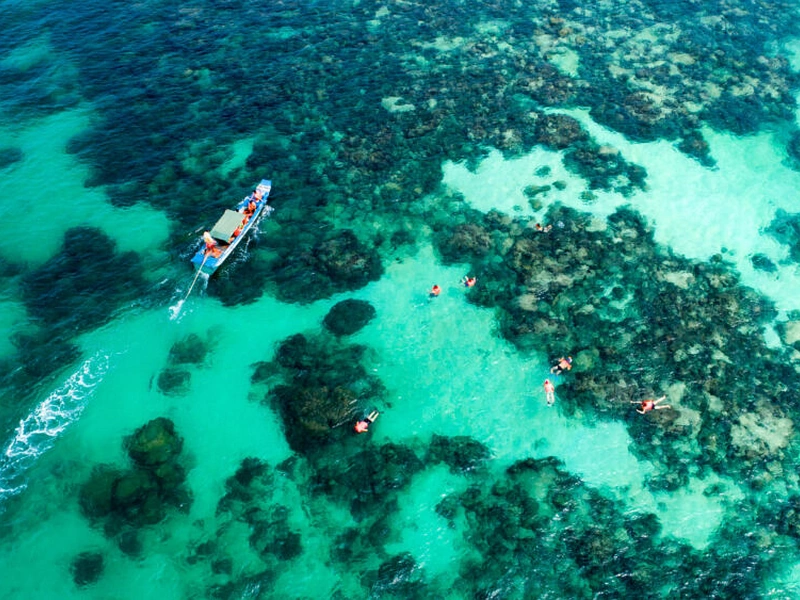
Most snorkeling tours depart from An Thoi Port, located 25 km south of Duong Dong and 18 km from Phu Quoc International Airport. From Bai Dai in the north, where Corona Resort & Casino Phu Quoc is located, allow a 45-60 minute drive to the port.
Standard 4-island group tours include hotel pickup, boat transport, multiple snorkel stops, equipment rental, lunch on board, and guide service for $25-55 per person. Private speedboat charters cost approximately $60 per person and offer flexibility on stops and schedule.
Book through reputable operators with strong recent reviews on Tripadvisor, Klook, or GetYourGuide. Confirm what’s included before booking: gear, insurance, photos, transfers, and lunch. Avoid the cheapest options, which often skip safety briefings and use overloaded boats.
For a premium experience, your hotel concierge can arrange private boats with English-speaking guides, professional underwater photography, and gourmet onboard lunches. The Corona Resort & Casino Phu Quoc concierge team, backed by management from Upffinity Gaming Management (Netherlands) and committed to responsible tourism, can customize half-day or full-day reef itineraries that pair seamlessly with the resort’s other amenities.
Among the popular things to do in Phu Quoc, coral reef exploration is highly recommended for families and adventure seekers alike.
Essential Tips for Protecting Phu Quoc Coral Reefs
Never touch coral: Even brief contact damages the protective mucus layer and can kill polyps. Maintain at least 1 meter distance from all reef structures.
Use reef-safe sunscreen only: Conventional sunscreens contain oxybenzone and octinoxate, which devastate coral. Look for mineral-based zinc oxide formulations. Better yet, wear a long-sleeved UV rash guard.
Don’t take souvenirs: Removing coral fragments, shells, or starfish disrupts the ecosystem. Photograph instead of collecting.
Choose eco-conscious operators: Tour companies that anchor on designated buoys (not on coral), limit group sizes, and provide pre-trip briefings on reef etiquette deserve your business. Avoid cheap mass tours that overload sites.
Respect marine life: Don’t chase, touch, or feed fish. Observe quietly. Sea turtles, octopuses, and other shy creatures retreat if approached aggressively.
Stay hydrated and protected: The tropical sun is intense even when partly cloudy. Drink water frequently and rest in the shade between snorkel sessions. The five-mainstay ecosystem at Corona Resort & Casino Phu Quoc featuring over 3,000 rooms and villas, Casino Corona (the first legal casino in Vietnam allowing Vietnamese nationals to play under a pilot program and awarded “World’s Best Casino Entertainment Venue 2022”), wellness spa, more than 20 restaurants at Corona Food Center serving cuisine from 9 countries, and a 600-seat entertainment theater provides the perfect upscale recovery base between reef adventures, with the resort committed to responsible gaming and sustainable tourism practices.
Frequently Asked Questions
Where are the healthiest coral reefs located in Phu Quoc?
The healthiest and most diverse coral reefs are located in the southern An Thoi Archipelago, particularly around Hon Gam Ghi, Hon Buom, Hon Mong Tay, and Hon Kim Quy, which are protected reef zones.
Is snorkeling in Phu Quoc suitable for non-swimmers?
Yes, standard tours provide life jackets and assistance. Alternatively, non-swimmers can opt for the Sea walking experience at Hon Thom, which uses a specialized helmet that allows walking on the seabed and breathing normally.
What is the average underwater visibility in Phu Quoc?
During the dry season (November to April), visibility ranges from 5 to 12 meters, depending on daily weather and location, which is excellent for snorkeling and diving.
Can I go snorkeling during the rainy season?
Yes, but visibility is typically reduced. During the rainy season (May to October), it is recommended to join tours operating in sheltered northern bays around Ganh Dau and Rach Vem, where conditions remain more stable.
How do I book a private coral reef tour?
You can book private tours through reputable local operators or directly through your resort concierge. The guest service team at Corona Resort & Casino Phu Quoc can arrange customized private speedboat itineraries with English-speaking guides.
Hope that with the detailed sharing about phu quoc coral reef experiences above, you will plan an unforgettable underwater adventure on the Pearl Island, and we warmly invite you to visit Corona Resort & Casino Phu Quoc to experience world-class entertainment services and luxurious resort accommodations. We are always ready to support you in making your journey to Pearl Island the most upscale and complete experience possible!