


Phu Quoc dry season: What the Weather Is Like (October to April)
The dry season runs from October to April and is when Phu Quoc is at its best: sunny skies, calm seas and ideal conditions for beach time, water sports and outdoor exploring. Rainfall is low, and mild northeast monsoon breezes keep the tropical heat comfortable throughout these months.
Temperature, Humidity and Rainfall by Month
Here is what to expect month by month during the dry season:
- October – November: 25-29C (77-84F), humidity 75-78%, rainfall 100-120mm. Rain is minimal, with only occasional light showers, usually in the late afternoon or evening.
- December – February: 23-27C (73-81F), humidity 70-72%, rainfall 25-50mm. This is the island’s peak tourist season, with milder weather and a festive atmosphere.
- March – April: 26-32C (79-90F), humidity 75-78%, rainfall 60-150mm. Temperatures climb as the island transitions toward the rainy season.
Cultural Festivals During the Dry Season
The dry season lines up with Vietnam’s busiest festival period, so travelers can combine good weather with authentic cultural events:
- New Year’s Eve and Tet (Lunar New Year): fireworks light up the bay at Sunset Town.
- Dinh Than Duong Dong Festival (10th-11th of the first lunar month): a spiritual gathering honoring the island’s guardian spirits.
- Thuy Long Thanh Mau Festival (15th of the first lunar month): a ceremony dedicated to the sea goddess.
- Dinh Ba Ong Lang Festival (18th-19th of the first lunar month): a coastal celebration of local fishing traditions.
- Phu Quoc Boat Racing Festival (April 30): traditional boat races along the shore.
- Dinh Cau Festival (15th-16th of the 10th lunar month): the island’s most important cultural festival, honoring sea deities.
Water Sports and Beach Adventures
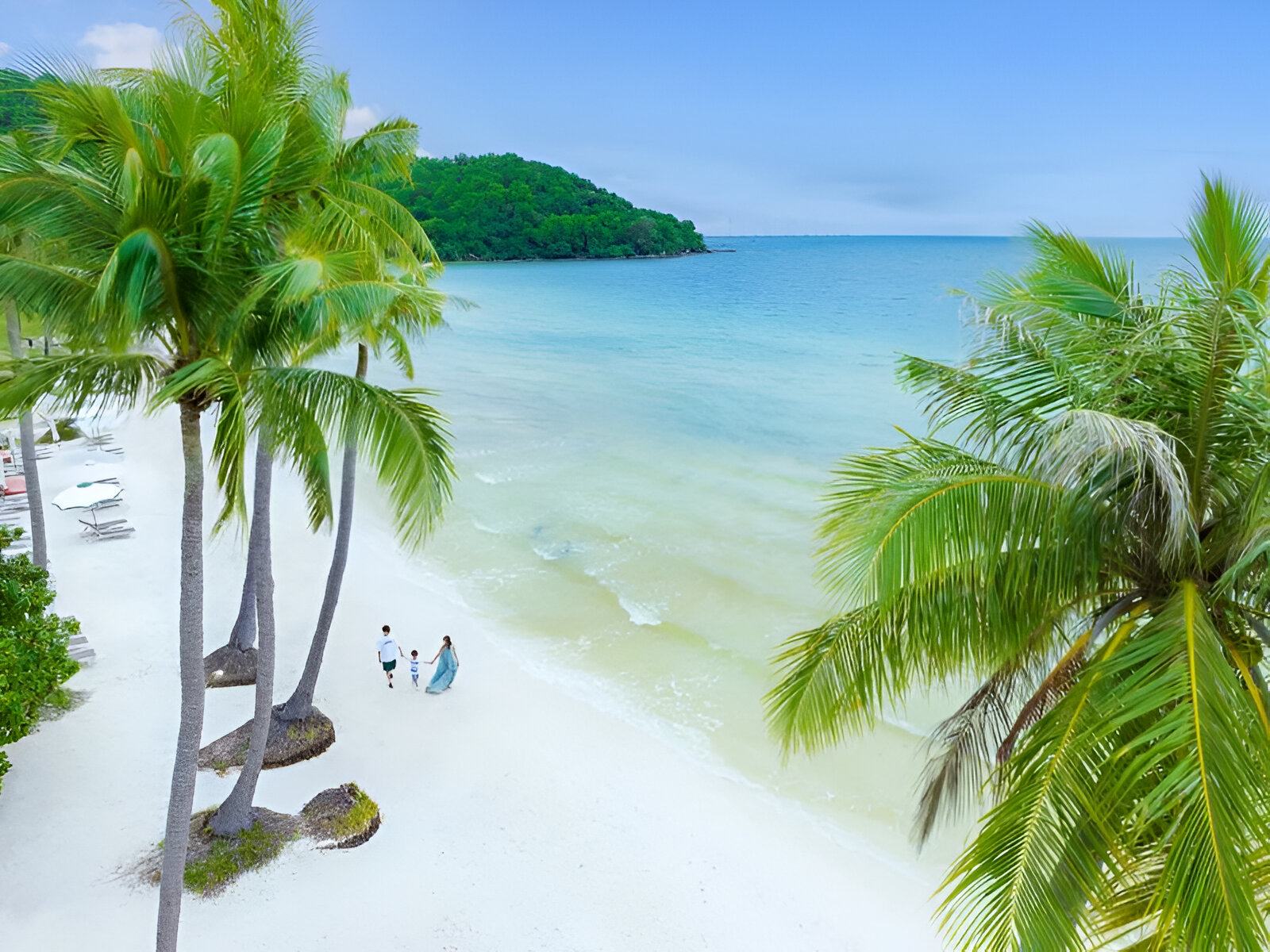
Calm seas and sunny skies make the dry season the best window for Phu Quoc’s marine activities:
- Snorkeling and diving: coral reefs with visibility up to 15-20 meters, especially in southern waters.
- Swimming and beach relaxation: warm, calm water suitable for all ages.
- Island hopping: smooth boat rides to nearby islands such as Fingernail Island and May Rut Island.
Outdoor Activities and Family Fun
Dry, comfortable weather also opens up the island’s nature and family attractions:
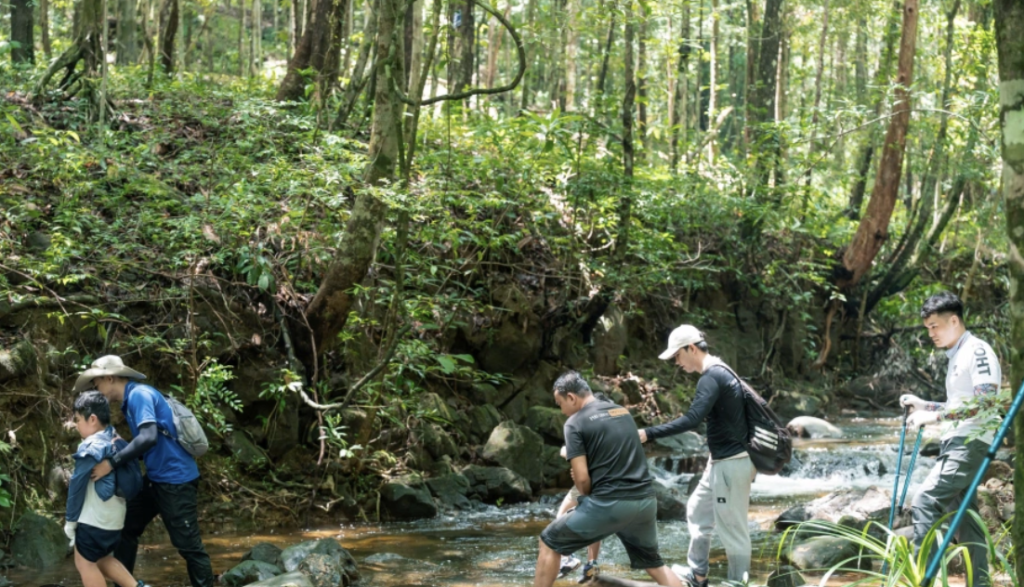
- Trekking at Phu Quoc National Park, which covers around 70% of the island.
- Suoi Tranh Waterfall, a jungle waterfall with natural pools for a swim.
- Agricultural tours of pepper farms, bee farms and traditional fish sauce production.
- Sun World Hon Thom, home to the world’s longest sea crossing cable car (7,899.9m), Aquatopia Water Park, Exotica Village and the Kiss Bridge.
Pros and Cons of Visiting in the Dry Season
Peak season has real upsides, but it also comes with trade-offs worth planning around:
- Weather: sunny skies, calm seas and little rain, but the midday sun can be intense.
- Entertainment: festivals, tours and events run in full swing, though popular spots can get crowded.
- Tourism services: full access to hotels, resorts and restaurants, at higher prices and with limited last-minute availability.
- Travel atmosphere: lively and energetic, which suits some travelers better than others seeking quiet.
Travel Tips for the Dry Season
- Check how to get to Phu Quoc before booking, then reserve your flights and accommodation 1–2 months in advance, as availability fills up quickly during the high season.
- Pack high-SPF sunscreen, a wide-brimmed hat and sunglasses for the midday sun.
- Bring swimwear and flip-flops so you can get in the water at any moment.
- Pack motion sickness pills for island-hopping tours and insect repellent for the national park.
- Keep your schedule flexible, since minor weather shifts can still happen even in peak season.

Phu Quoc rainy season: What to Expect (May to September)
From May to September, Phu Quoc sees higher humidity, regular afternoon showers and noticeably fewer tourists. Rainfall usually comes in short, intense bursts rather than prolonged downpours, and the island shows a quieter, more local side of itself.
Temperature, Humidity and Rainfall by Month
- May – June: 25-30C (77-86F), humidity 85-87%, rainfall 180-220mm. The rainy season begins, with occasional showers but still plenty of good beach days.
- July – August: 25-28C (77-82F), humidity 89-90%, rainfall 280-300mm. This is the wettest, most humid stretch, with stronger, more frequent storms.
- September: 25-29C (77-84F), humidity 86%, rainfall 250mm. Rainfall eases toward the end of the month as the island transitions back to the dry season.
What to Do When It Rains
Rain does not shut the island down. Here is how to make the most of a rainy-season trip:
- Sea walking: walk underwater with a helmet at around 7 meters depth, a good option when the surface is choppy.
- Snorkeling in the gaps between showers, when quieter sites mean more personal attention from guides.
- East coast beaches such as Sao Beach and Khem Beach, which are sheltered from the southwest monsoon winds.
- Coi Nguon Museum for the island’s fishing history and local traditions.
- Fish sauce factories, where you can see traditional wooden fermentation barrels and taste premium varieties.
- Tram mushroom picking, a foraging activity only available during the rainy months.
- Sunset Town’s covered attractions, including the Kiss Bridge and the Kiss of the Sea show.
- Beach bars and lounges with covered seating, and night markets such as Dinh Cau Night Market and VUI-Fest Bazaar.
Pros and Cons of Off-Season Travel
The rainy season trades some sunshine for lower costs and a slower pace:
- Travel costs: hotels, flights and tours run noticeably cheaper, though some services operate on reduced hours.
- Tourist atmosphere: fewer crowds and more privacy, but fewer group events and festivals.
- Leisure activities: more time for spas, local cuisine and fishing villages, with less reliable access to sea tours or kayaking.
Tips for a Rainy Season Trip
- Choose an all-in-one resort with indoor pools, spa and in-house entertainment.
- Pack an umbrella, raincoat and waterproof bags for electronics.
- Plan indoor activities such as museums, the historic Phu Quoc Prison, or indoor shopping.
- Book flexible flights and hotel rates so you can adjust around the weather.
What Is the Best Time to Go to Phu Quoc Based on Your Travel Purpose?
Every traveler comes to Phu Quoc for a different reason, and the right season depends on what you are looking for.
- Dry season (October to April): the best choice if you want clear skies, sunny beaches and outdoor adventures like swimming, snorkeling or island hopping.
- Rainy season (May to September): a better fit if you want premium resort services at lower prices, fewer crowds, or a quieter, more local pace.
Whichever season fits your plans, Phu Quoc has its own kind of magic year round. Start packing, book your flight, and plan your stay with Corona Resort & Casino Phu Quoc.
Frequently Asked Questions
What is the absolute best month to visit Phu Quoc?
January is the top pick for most travelers: it is the driest month (20-30mm of rain), with the coolest temperatures (22-28C), the calmest seas and the clearest skies. The trade-off is peak season pricing, which runs 30-50% above shoulder months. February is a close second, with calmer post-Tet crowds.
Can I visit Phu Quoc during the rainy season?
Yes, with a few adjusted expectations. June to September brings frequent afternoon storms and choppier seas on the west coast beaches. Indoor attractions such as Corona Casino, VinWonders, Vinpearl Safari, Grand World and resort spas stay enjoyable regardless of weather, and resort rates run 25-40% lower. Pack a rain jacket and quick-dry clothing.
What is the best month for snorkeling in Phu Quoc?
March offers the best underwater visibility, 10-12 meters in the An Thoi Archipelago, with water temperatures of 26-28C and lower crowds than peak season. Half-day tours from An Thoi pier cost USD 25-40.
When is the cheapest time to visit Phu Quoc?
Late May or October are the cheapest windows, with resort and flight prices 25-40% lower than the December-February peak. Both months offer mostly acceptable weather with occasional showers, so pack a light rain jacket.
Contact Corona Resort & Casino Phu Quoc:
Location: Bai Dai Area, Phu Quoc Special Zone, An Giang Province, Vietnam
Phone: +84 297 222 8888
Email: mkt.management@casinocorona.vn
Website: https://casinocorona.vn/en/